Fort Wayne healthcare worker, man share warning about diabetes: ‘Once you have it, it’s a forever diagnosis’
FORT WAYNE, Ind. (WPTA) - Local health educators say too many Hoosiers are living with diabetes or prediabetes and don’t know it until they’re facing serious and sometimes permanent complications.
With National Diabetes Awareness Month underway, experts at Healthways Alliance in Fort Wayne are urging people to take early detection seriously.
“Once you have diabetes, it’s a forever diagnosis,” said Genia Freeman, a certified community health worker at Healthways Alliance. She says prediabetes is one of the biggest red flags she sees being ignored.
“They hear that they have a prediabetes diagnosis and don’t realize it’s a warning sign, kind of a second chance; your doctor is basically saying, ‘Hey, get it together before it’s too late,” Freeman said.
According to the American Diabetes Association, about 612,000 adults in Indiana have been diagnosed with diabetes, and the vast majority have Type 2, which is often preventable or can be delayed with lifestyle changes and early treatment.
Jessie Jackson has been living with Type 2 diabetes since 2010. He says he had no idea what was happening to his body until one Sunday morning.
“I was sitting in church one Sunday, looking up at the choir where my wife sings, and I noticed I couldn’t really see everybody clearly; my vision was blurred. Somebody told me that’s how they felt when their blood sugar was high,” Jackson said.
Jackson went to the hospital to get checked. That’s when he learned just how serious it was.
“They checked me, and I found out my blood sugar was 455,” he said.
Looking back, Jackson now recognizes other warning signs he brushed off – feeling extra tired, being unusually thirsty, and more frequent trips to the bathroom.
Jackson admits his lifestyle likely played a big role in his diagnosis.
“If I would’ve known earlier that I was at risk, there are a lot of things I would’ve done differently,” he said.
For Jackson, living with diabetes now means constant awareness.
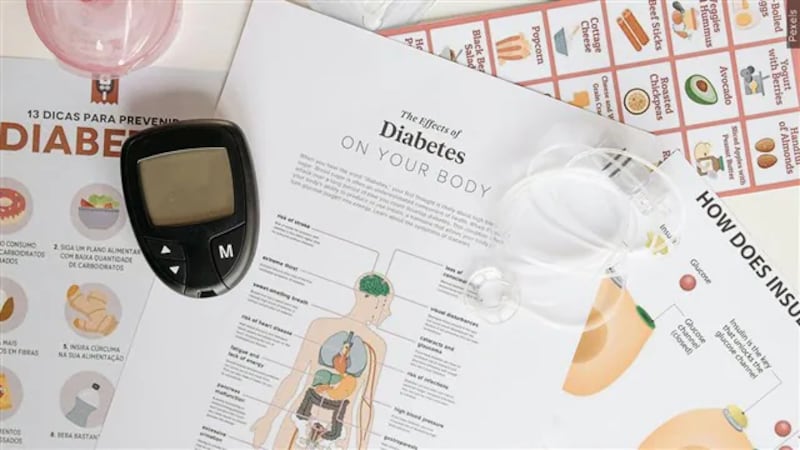
Jackson says education and newer technology are changing the way people manage the disease. That includes continuous glucose monitors, or CGMs, which track blood sugar around the clock and send alerts when levels are too high or too low.
But even with the technology, Jackson says he doesn’t rely on just one reading because they could be different.
“It’s best to use both methods instead of depending on one,” Jackson said.
Jackson says his message this Diabetes Awareness Month, for people afraid to get tested:
“It’s a very simple process. It just takes a little bit of your time, and with that little bit of time you can find out if you’re diabetic or not — and you can save yourself.”
Healthways Alliance offers diabetes education programs, including the Diabetes Empowerment Education Program (DEEP™), to help people understand the disease, learn practical skills, and find community.
Their next session is Tuesday, where guests can learn to cook healthier meals alongside others facing the same challenges.
Copyright 2026 WPTA. All rights reserved.